

September 8, 2026
A traumatic brain injury (TBI) doesn’t end when you leave the hospital. For many survivors, the real financial weight builds over months and years, and it can dramatically shape the value of your injury claim. It’s important to consider many factors, including:
- Ongoing medical and rehabilitation needs that extend beyond the initial injury
- Reduced earning capacity and how lost income factors into compensation
- Future care projections and why they matter so much in TBI cases
- Challenges in documenting long-term effects that insurers often try to minimize
Here at The Law Office of Kevin L. Hoffkins, we want you to understand your rights and options fully. Our team is ready to take your call and guide you through this difficult time.
What Ongoing Medical and Rehabilitation Costs Are Typically Involved in a TBI?
TBI recovery isn’t usually linear. Many survivors require care long after they’ve been discharged, and those costs add up quickly. Depending on the severity of your injury, ongoing expenses may include:
- Neurological follow-up appointments and specialist visits
- Cognitive rehabilitation therapy to help with memory, concentration, and processing issues
- Physical and occupational therapy for motor skill recovery
- Psychiatric care or counseling for depression, anxiety, or behavioral changes
- Prescription medications for seizures, pain, or mood disorders
A settlement that only reflects your initial hospital bills is almost certainly not enough. An attorney can help you collect and keep track of important documentation for your claim.
How Does a TBI Affect Your Ability to Work and Earn Income?
A brain injury can negatively impact your ability to concentrate, manage stress, work long hours, or perform tasks that once came easily. In serious cases, it can end a career entirely. When calculating your claim’s value, your attorney should account for:
- Lost wages from time already missed at work
- Diminished earning capacity if you can no longer perform at your previous level
- Retraining costs if you need to shift careers due to cognitive limitations
- Lost benefits such as health insurance or retirement contributions
These losses are real, and they deserve real weight in your settlement. An attorney can walk you through the process and help you determine the best path forward.
Why Do Future Care Projections Matter So Much in a TBI Claim?
Insurance companies often push for settlements before the full picture of your recovery is clear. Accepting a settlement too early can leave you without the funds to cover care you’ll need years down the road. That’s why future care projections are so important. A thorough claim should factor in:
- The likelihood of long-term cognitive decline
- Potential need for in-home care or assisted living as you age
- Future costs of medical equipment or assistive technology
- Anticipated surgical procedures or ongoing treatments
Working with medical professionals who can project these needs gives your attorney the foundation to demand a settlement that actually reflects your life in the future as well as the present.
What Makes It So Hard to Document the Long-Term Effects of a TBI?
This is where TBI claims get genuinely difficult. Unlike a broken bone, many TBI symptoms are invisible. Changes in memory, personality, mood, and cognition don’t always show up on imaging scans. Insurers know this, and they use it to their advantage. Common documentation challenges include:
- Lack of visible imaging evidence for cognitive or behavioral symptoms
- Delayed symptom onset, where some effects don’t appear until weeks or months later
- Pre-existing conditions that insurers argue caused your current difficulties
- Inconsistent medical records if you’ve seen multiple providers over time
An experienced TBI attorney will know how to build a compelling case even when imaging results appear normal, working alongside medical experts who can assess and document the extent of your cognitive, behavioral, and neurological symptoms.
Taking Your TBI Claim Seriously From the Start
If you or someone you love is dealing with the aftermath of a TBI, Attorney Kevin L. Hoffkins is ready to help you build a claim that accounts for the full picture. Contact our office to schedule a consultation today.
Post You May Also Like

Restraining Orders in Connecticut
In today’s society, people often need protection from a violent spouse or partner. These people often look for

Should I Rely on Artificial Intelligence to do My Divorce
Artificial Intelligence cannot replace legal advice from a lawyer. Nor can it adequately advise you of the divorce
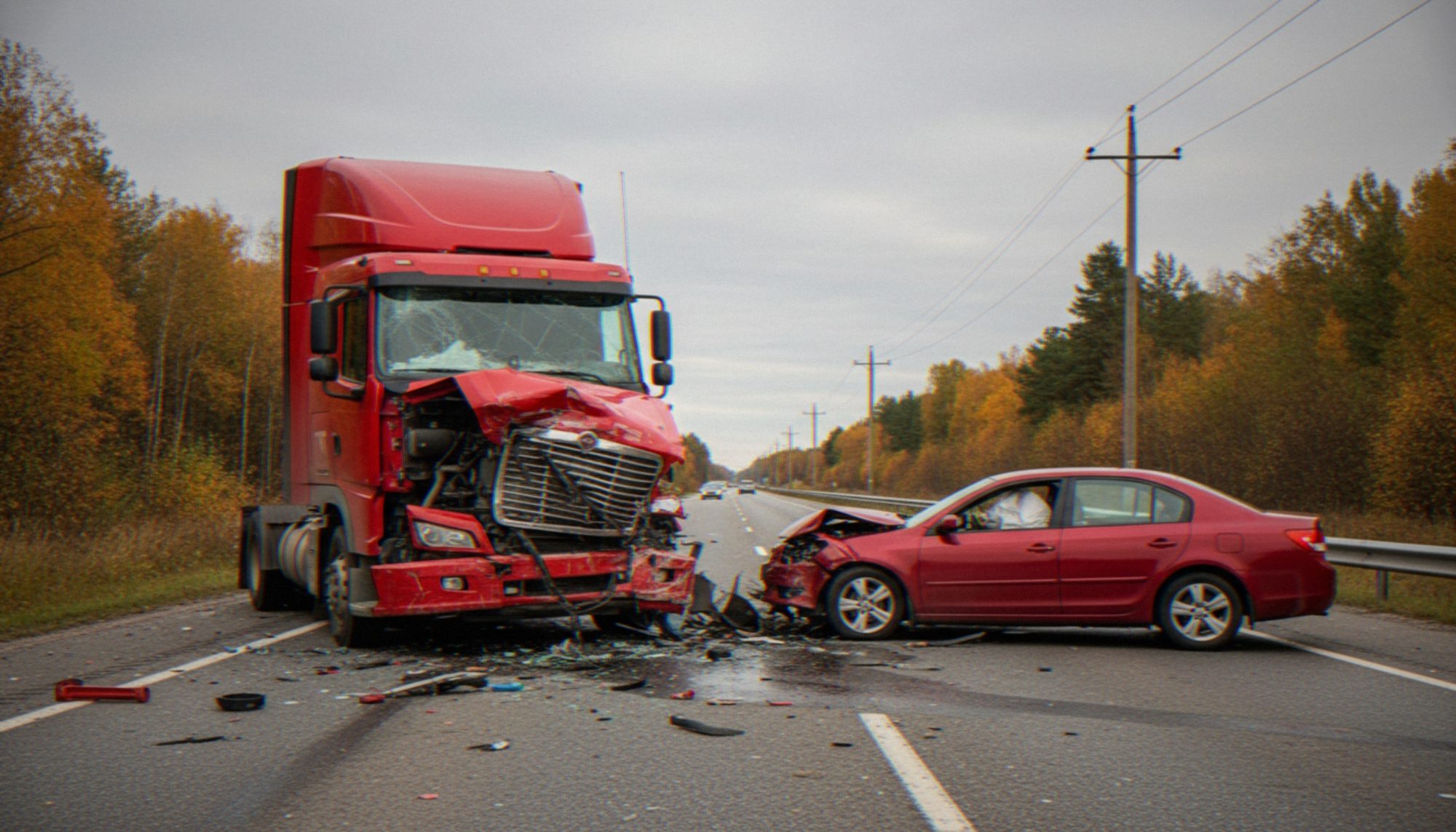
What Factors Make Truck Accident Injury Claims Unique?
You may think that a car accident and a truck accident are basically the same thing, with only
Trusted By People Just Like You
I was in a car accident in Greenwich, CT and suffered a concussion. Kevin Hoffkins was fantastic every step of the way guiding me back to health and then through the entire lawsuit process. I ended up getting a settlement higher than I anticipated. I highly recommend Kevin for your accident lawsuit! He's the best!

Overall, I’m very grateful for Kevin’s guidance and support throughout my case. His knowledge, professionalism, and steady approach made a difficult process feel much more manageable, and I truly appreciated his responsiveness during important moments. It was especially important to me to have someone who genuinely had my son’s best interests in mind, and I always felt that Kevin did.
I had an auto collision where another driver didn't look before making a turn across my lane. I was injured and needed chiropractic and other treatment. Mr. Hoffkins got me a great settlement. It was over four times as much as the insurance company's original offer. He was easy to work with, and made the whole experience very easy for me. He is a great lawyer.
I recently had the pleasure of working with Kevin Hoffkins, and I cannot recommend their services highly enough. From start to finish, he provided me with exceptional legal guidance and support. Not only was Kevin extremely knowledgeable and experienced in his field, but he also took the time to understand my unique situation and needs truly. He was patient, compassionate, and always available to answer any questions I had along the way. Throughout the legal process, Kevin was responsive, communicative, and detail-oriented. He kept me informed at every step of...
I highly recommend Kevin Hoffkins to anyone who needs a personal injury lawyer. I contacted Kevin over the weekend after I was involved in a collision on a Friday afternoon. Kevin drove out to my house, which is in the middle of nowhere, to discuss my case. Despite the fact that it was during the Covid pandemic, I never felt disconnected or uninformed about the case. Kevin was always available to talk on the phone and answered all emails promptly. We were offered a settlement which after researching similar cases...
I tripped and fell and hurt myself on an uneven driveway. I hurt my knee, wrist, nose and had abrasions on my face. I was bleeding heavily. I tried to contact the building’s owner’s insurance to make a claim but got nowhere. I was referred to Attorney Kevin Hoffkins by another attorney. He put together all of my medical records and bills and put together a demand for the insurance company. He got a very good very good settlement that I am very happy with. He is a great attorney.
Attorney Hoffkins gave me great advice during my divorce process. He constantly gave me updates regarding the proceedings. He was highly responsive to my calls and emails, always answering my questions in a timely manner. I highly recommend Hoffkins as a great divorce lawyer.
Best auto accident lawyer in Bridgeport.
I recently had the pleasure of working with Kevin Hoffkins, and I cannot recommend their services highly enough. From start to finish, he provided me with exceptional legal guidance and support. Not only was Kevin extremely knowledgeable and experienced in his field, but he also took the time to understand my unique situation and needs truly. He was patient, compassionate, and always available to answer any questions I had along the way. Throughout the legal process, Kevin was responsive, communicative, and detail-oriented. He kept me informed at every step of...
Kevin is the best. He works hard for you and get the job done always. He has been my lawyer for two cases. Thank you Kevin.
Schedule Your Free Consultation
Call or message The Law Offices of Kevin L. Hoffkins to discuss your
legal matter with an experienced Connecticut attorney.